Reduction of operational demand as far as possible (before offsetting)
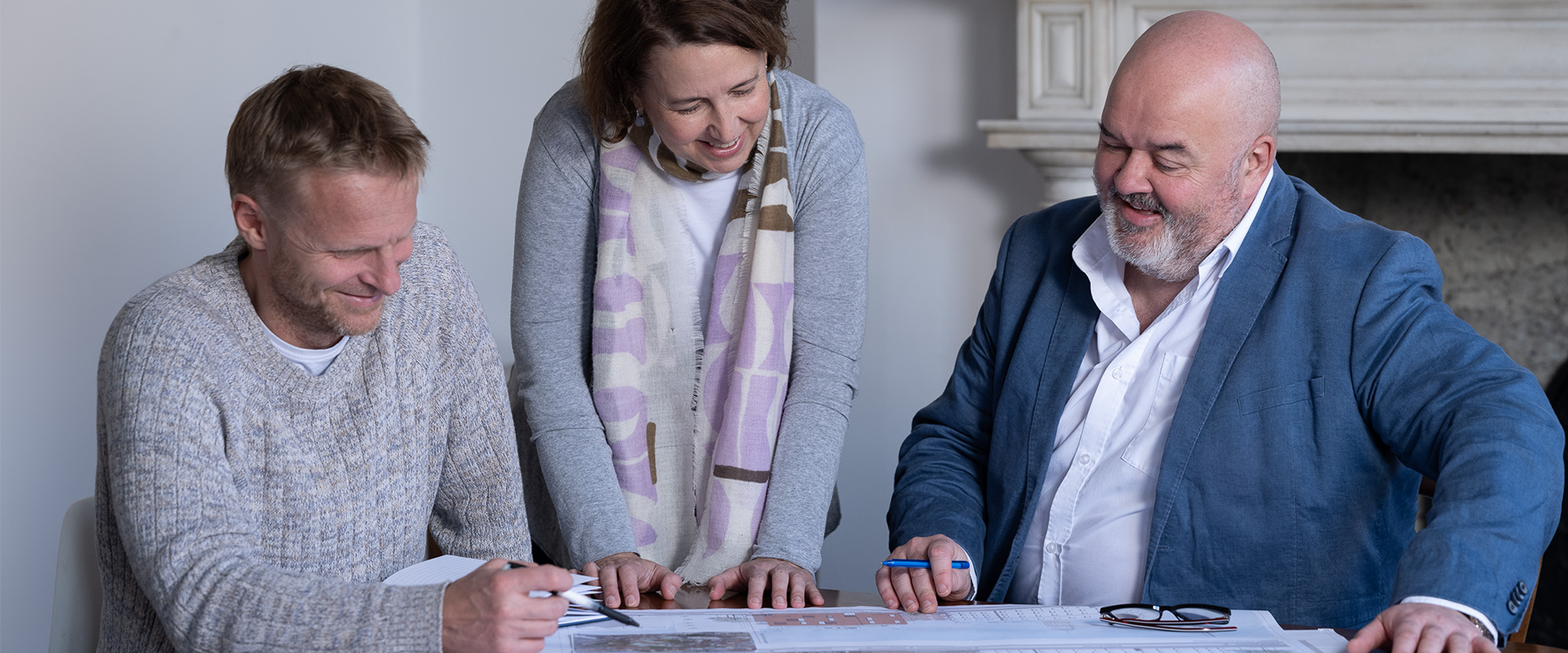
Dive into our insights and thought leadership. From pioneering design concepts to industry advancements, we drive innovation that shapes the future of architecture.
Explore our thinking from pioneering design concepts to deep research. Discover how this thinking can shape the industry though its implementation in our day-to-day practice.
The built environment is responsible for 40% of global carbon emissions, OCMA wish to lead our clients and colleagues to advocate for sustainable and inclusive solutions that lead to better futures for people and society. Recognising the significance of Climate Change, both in architecture and in the office environment, OCMA have achieved ISO14001, are active members of the Irish Green Building Council and have created dedicated office and project sustainability policies in Design.
In 2021 OCMA developed an in-house Sustainability in Design Focus Group which adopted the RIAI 2030 Climate Challenge. The pillars of this challenge will underpin our designs, and these include:

Reduction of operational demand as far as possible (before offsetting)
Reduce Embodied carbon by at least 40% (before offsetting)
Reduce potable water use by at least 40%
Achieve all core health and wellbeing targets (daylighting, overheating and other indoor health measures)
Leave sites with significantly enhanced biodiversity.
 Operating theatres at Bon Secours Hospital Cork
The current challenges facing Ireland’s healthcare infrastructure demand a new way of doing things and this must drive innovation in construction design and procurement. Innovation does not necessarily mean beginning from first principles, it can entail the use of existing knowledge to critically review entrenched processes to propose, with the confidence of experience, new methods and approaches to solving problems.
The first challenge facing the construction of Ireland’s modern healthcare infrastructure is to provide quality, future-proofed solutions in the context of urgent need. The second challenge is that the delivery of this much-needed infrastructure takes time, with extended periods generated by statutory compliance and an established process of design and procurement.
OCMA, working closely with the HSE, introduced a streamlined design-to-tender approach for three Surgical Hubs in Cork, Limerick, and Waterford. These Hubs are part of the national response to growing elective surgery waiting lists and are intended to provide standalone, day-care services ahead of a larger Elective Hospitals Programme. Central to the strategy was the adoption of a single building design replicated across multiple sites, allowing for economy of scale and increased efficiency. OCMA’s experience and knowledge of clinical planning, design for health, and of Ireland’s regulatory landscape enabled overlapping project phases—planning, detailed design, and tender—significantly shortening timelines.
Building Information Modelling (BIM) was used to coordinate information, standardise room designs, and produce high-detail tender documents early in the process. This mitigated quality risks often associated with Design-Build contracts while enabling early contractor input.
The result was a dramatic reduction in delivery time: from inception to tender in just four months, compared to over two years using traditional methods. With construction now underway, all three Hubs are expected to be completed by Q4 2026. This model demonstrates how innovation, strategic planning, and collaboration can transform infrastructure delivery without compromising quality.
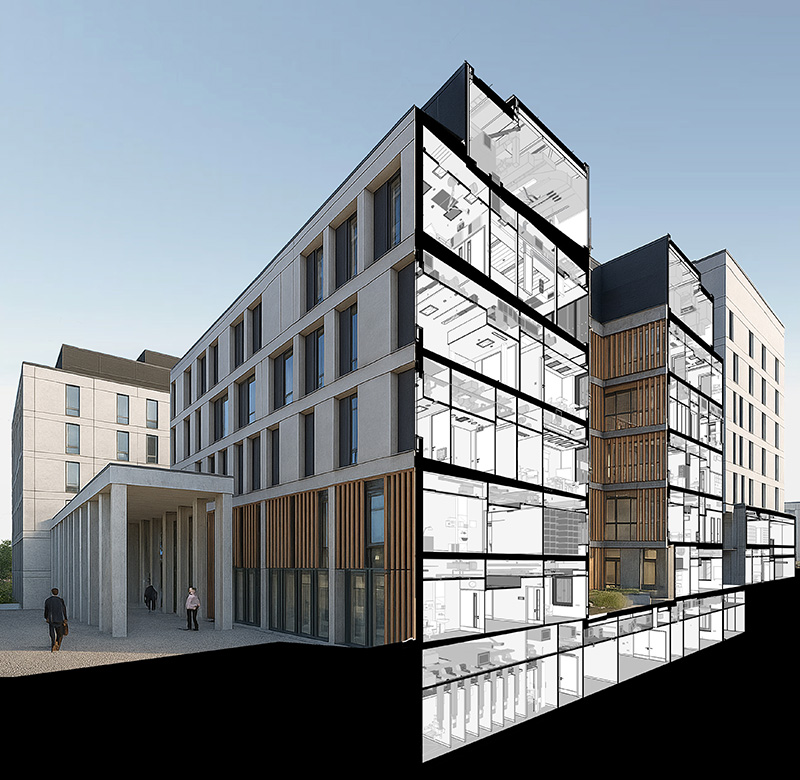 Revit model of the National Maternity Hospital
BIM data is becoming an invaluable asset for driving innovation in design, construction and building operation. At a company level, every member of our team has embraced the profound impact this change is having on our industry and the services we deliver for our clients. At O’Connell Mahon Architects, we have been utilising BIM technologies and software since 2011. We recognised that by harnessing these technologies and embedding them within our creative process we could provide more determined outcomes, and better value for our clients.
To ensure data integrity, we conduct regular data audits and validation checks. These include automated reviews for model accuracy, completeness, and adherence with project standards. Any discrepancies are promptly identified and corrected, to maintain accurate and reliable BIM models.
We adhere to internationally recognised standards such as ISO 19650 for information management in BIM projects. This includes standardised naming conventions, file formats, and metadata tagging to facilitate easy data retrieval and management. Our attendance at national and international BIM technology conferences ensures we remain informed about the latest advancements and global best practices.
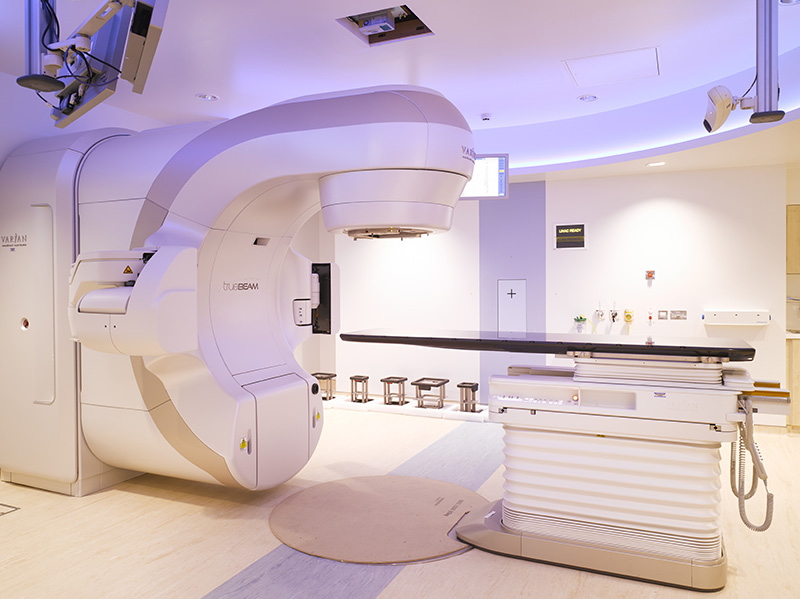 Diagnostic imaging facility at North West Cancer Centre Altnagelvin Hospital
Our experience over the last 25 years encompasses over 150 healthcare projects and in excess of 30 hospital development control plans. This has led to OCMA’s status as a leading specialist healthcare design practice where the majority of our 60-strong staff are skilled in healthcare design.
We have extensive experience of a wide range of healthcare projects ranging from small complex refurbishments to large new hospitals including current direct appointments to three of Ireland’s national tertiary care hospitals. Within this wide range of healthcare experience, we have enhanced skillsets in design for paediatric, maternity, oncology, acute, ambulatory and elderly care and residential care services.
The data we have developed and collected in our Healthcare Library includes over 120 OCMA standard clinical room designs, and over 3,500 clinical equipment drawings assets. This facilitates direct access to successful and proven solutions for healthcare environments, allowing us to develop briefs and the design of hospitals from established and verified components while also meeting any bespoke service needs of our clients.
 Residential care at Bon Secours Cork Care Village expansion
For the past 10 years we have been involved in ongoing research with Trinity College Dublin’s Department of Civil, Structural and Environmental Engineering – Trinity Haus – in the area of dementia inclusive design. This collaboration has examined in detail the requirements of people with cognitive impairment and dementia as they navigate the built environment and has looked in particular at both long-term residential care homes and acute hospital settings.
OCMA have contributed to various publications and guidelines including Towards a building typology and terminology for Irish hospitals (Irish Journal of Medical Science 186) which sought to establish a common vocabulary of healthcare design to facilitate conversation across different disciplines, experts, and community stakeholders, as part of the collaborative process of hospital design, and the 2018 Dementia Friendly Hospitals from a Universal Design Approach design guidelines which have been approved by the WHO for their Global Dementia Observatory Knowledge Exchange Platform.
In the wake of the Pandemic, the research focus has shifted from acute hospitals to planning and design for quality of life and resilience in residential long-term care settings. The central aim of the ongoing research is to examine the convergence and divergence between built environment features which can both support quality of life and improve infection control and how these can most effectively be implemented in both new-build and retrofit scenarios.
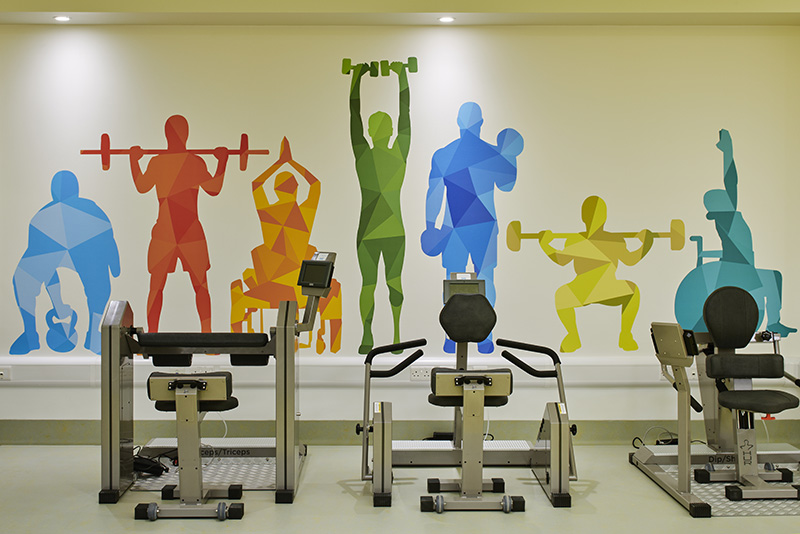 Patient gym at National Rehabilitation Hospital
At OCMA, we embrace inclusivity by designing spaces that are accessible and functional for all, embodying the principles of universal design. We ensure that our environments accommodate a wide range of physical and cognitive abilities, as well as diverse age groups, including the elderly, neurodiverse individuals, and children. This commitment makes our spaces genuinely usable and welcoming for all.
Our designs meticulously adhere to established accessibility standards, and aim to surpass requirements, ensuring users can navigate and utilise our spaces with ease. We prioritise flexible and adaptable elements that accommodate a wide spectrum of needs and preferences. This adaptability ensures our spaces can evolve in response to the changing requirements of their users.
Furthermore, our commitment extends to clear and intuitive navigation within our spaces. Strategic placement of visual cues and effective signage simplifies wayfinding, making our environments welcoming and legible for everyone.
At OCMA, we believe that thoughtful design can enhance everyday interactions and the quality of life for all users. By integrating inclusivity and universal design into every project, we create environments that are not just spaces, but places where everyone feels valued and supported.